
Procedures for Declaring Estate Inheritance with Foreign Elements in HCMC

“Detailed guide on proving heir relationships, consular legalizing foreign civil registry records, and notarizing estate partition agreements in Ho Chi Minh City.”
Settling Real Estate Inheritance for Overseas Vietnamese and Foreign Heirs
Inheritance matters where heirs reside abroad or where the decedent passed away overseas require strict adherence to private international law, the Civil Code, and the Law on Notarization of Vietnam.
1. Consular Legalization of Foreign Civil Status Documents
Death certificates, birth certificates, and marriage certificates issued by foreign competent authorities must undergo consular legalization at the Vietnamese Embassy/Consulate and certified translation into Vietnamese prior to submission to Vietnamese notary offices.
2. Remote Powers of Attorney or Estate Renunciation Declarations
Heirs residing abroad who cannot physically travel to Vietnam may visit the Vietnamese diplomatic mission in their host country to execute a Power of Attorney authorizing a relative or SaigonLex attorney in Vietnam to complete estate declaration proceedings on their behalf.
3. Mandatory 15-Day Public Posting at Commune People's Committees
Estate declarations must be publicly posted for 15 days at the commune-level People's Committee where the decedent last permanently resided or where real estate is situated before notaries may formally sign the notarized certificate.
Legal Notice & Disclaimer
Direct consultation with legal counsel is strongly recommended to thoroughly verify original records prior to notarization.
Resolving Marital Property Disputes and Child Custody Rights in Divorce
Next ArticleRole of Criminal Defense Counsel: Protecting Rights from Early Investigation Stages
Related Legal Insights
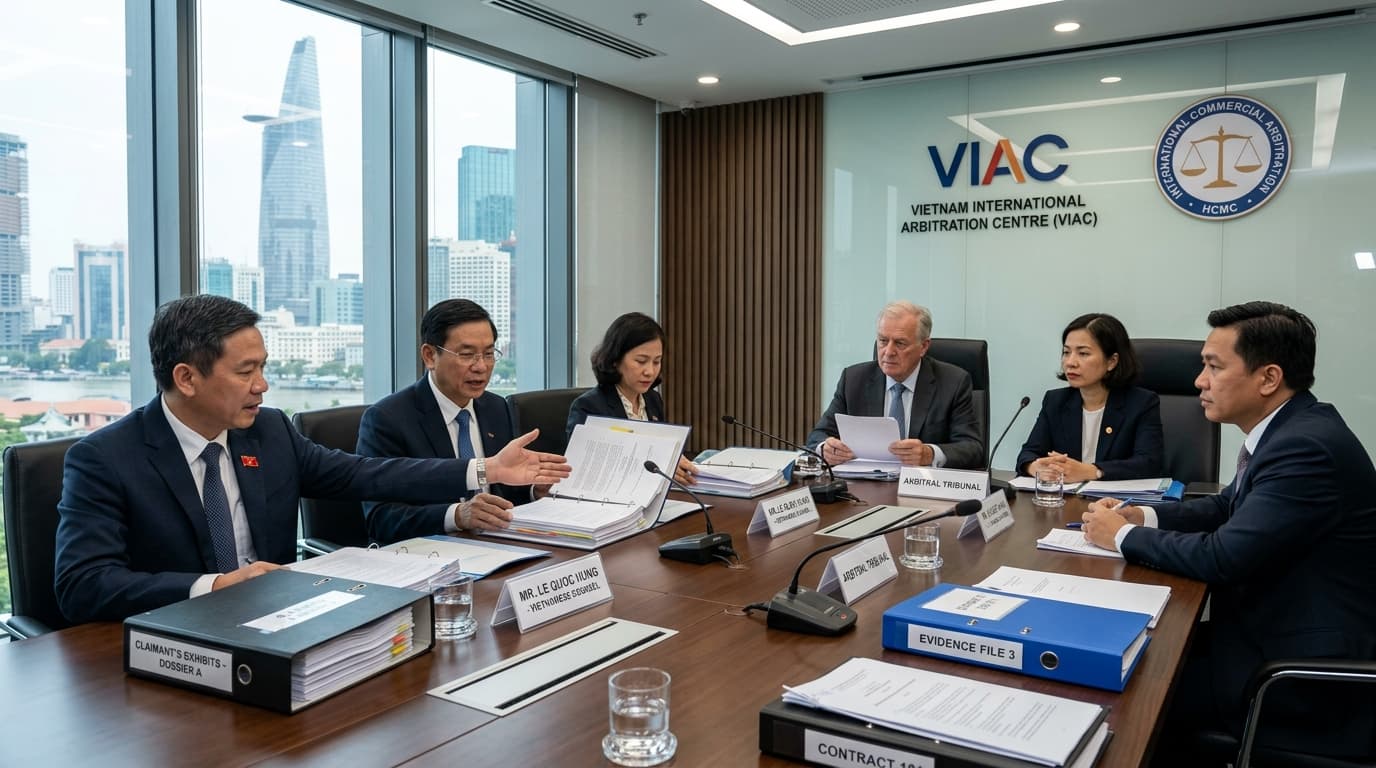
Comprehensive Guide to Foreign Direct Investment (FDI) Enterprise Establishment in HCMC
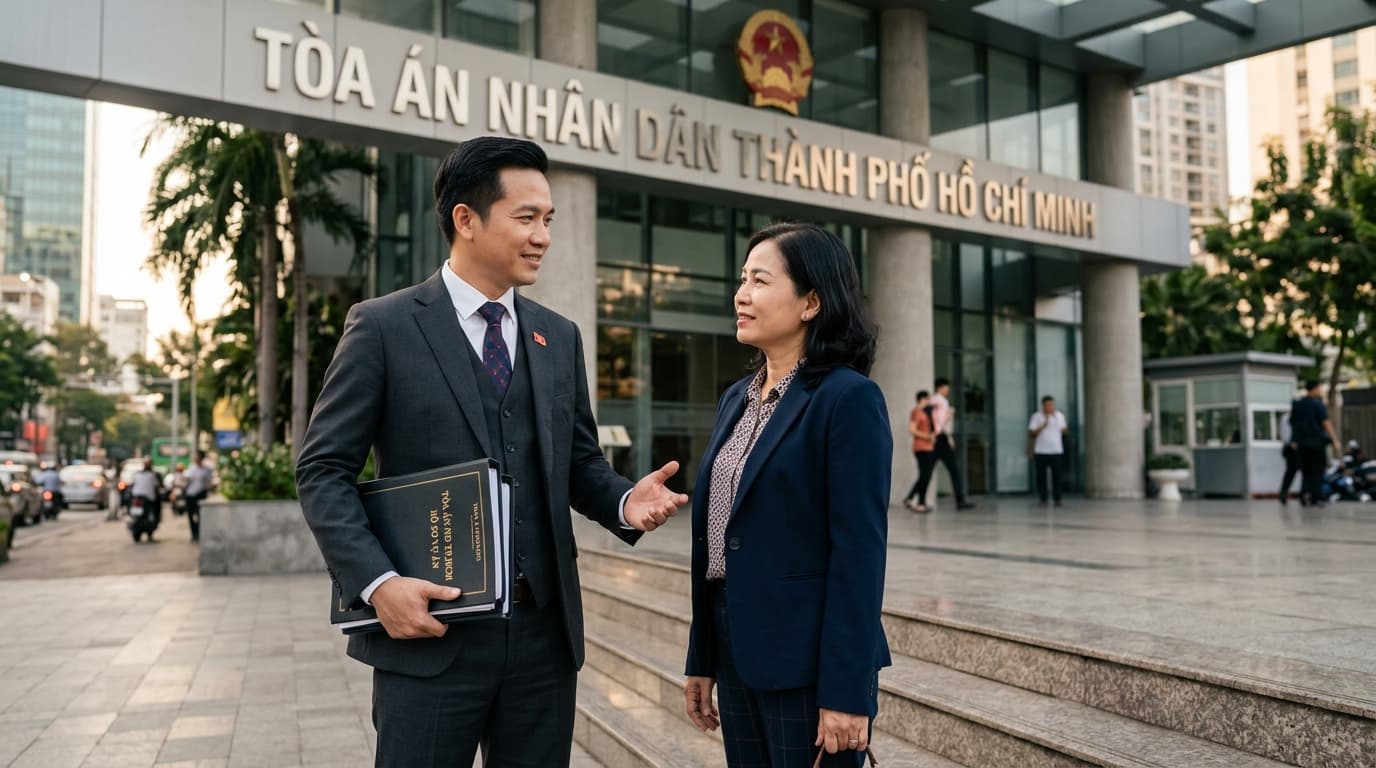
Key Highlights of the New Land Law for Enterprises & Property Owners